
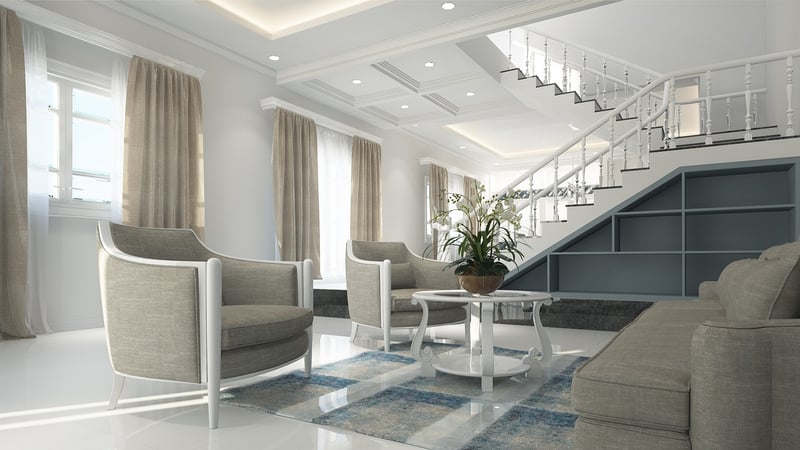
The Beauty of Biophilic Design: Creating Spaces with Minimal Environmental Impact

Biophilic design is a concept that integrates nature and natural elements into the built environment to create spaces that enhance occupant well-being and connection to the natural world. This design approach not only benefits the users of the space but also contributes to a more sustainable and environmentally friendly built environment.
Key Elements of Biophilic Design:
- Use of natural materials such as wood, stone, and plants
- Maximizing natural light and views of nature
- Incorporating indoor plants and living green walls
- Creating spaces that mimic natural forms and patterns
- Utilizing sustainable practices in construction and maintenance
Benefits of Biophilic Design:
Biophilic design has numerous benefits for both individuals and the environment, including:
- Improved mental well-being and productivity
- Reduced stress and anxiety levels
- Enhanced creativity and cognitive function
- Increased energy efficiency and reduced environmental impact
- Promotion of biodiversity and ecosystem health

Integrating Biophilic Design with Minimal Environmental Impact:
When designing spaces with minimal environmental impact, incorporating biophilic design principles can further enhance the sustainability of the built environment. By choosing eco-friendly materials, optimizing energy efficiency, and promoting biodiversity within and around the building, designers can create spaces that not only benefit occupants but also contribute positively to the planet.
Embracing a Greener Future:
As the importance of sustainability and well-being in design continues to grow, biophilic design offers a holistic approach to creating spaces that are not only aesthetically pleasing but also environmentally responsible. By embracing biophilic design principles and minimizing environmental impact, designers can shape a greener and healthier future for all.